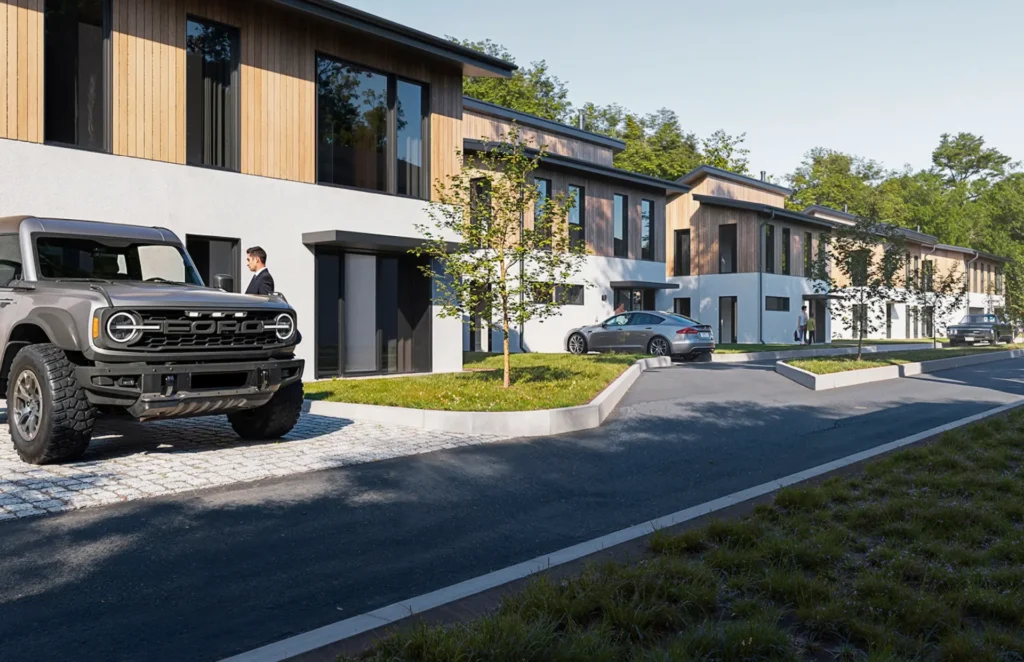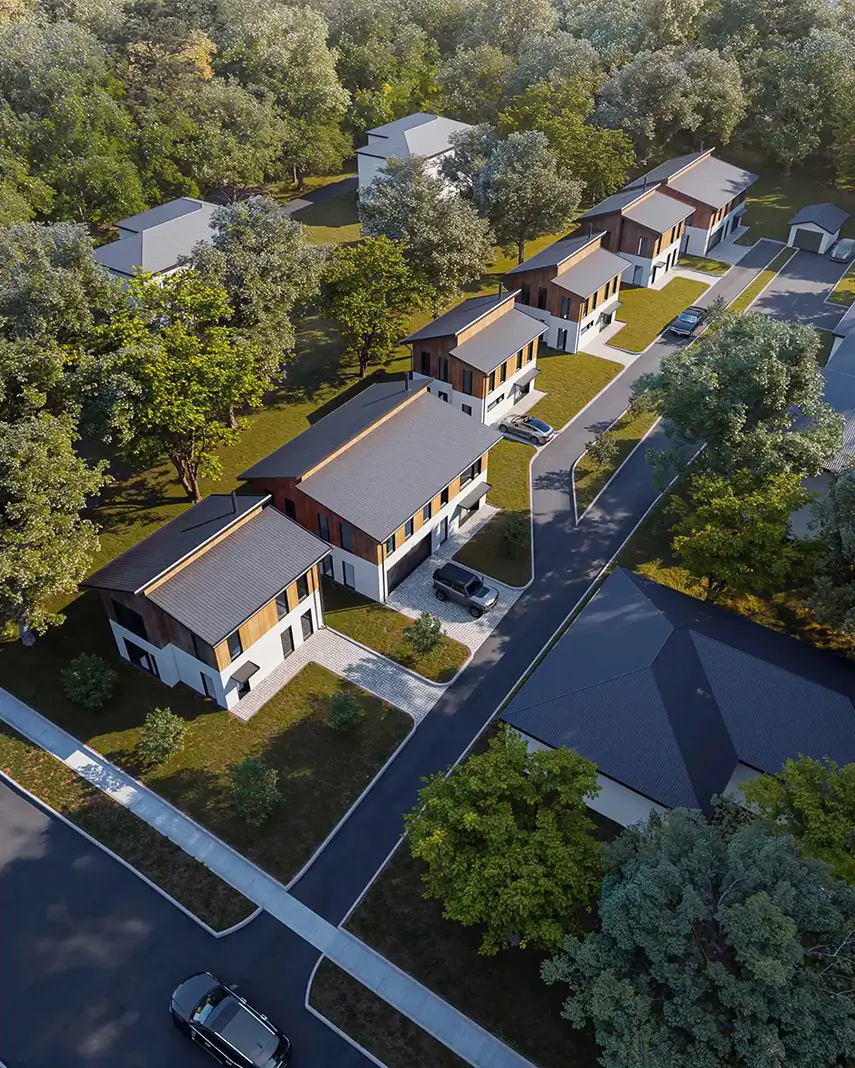
DADU resale value comes down to a handful of factors: location and comparable sales nearby, size and layout, finish quality, and how private and physically separate the unit feels from the main house. But there’s an honest caveat worth stating up front — because selling a DADU as its own condominium unit is still a relatively new legal option in Washington, the pool of comparable sales is thinner than it is for a typical single-family home. That thinness is itself something to factor into your expectations, not just a footnote.
Why DADU Valuation Works Differently Than Standard Home Appraisal
Ownership here works differently than a typical home purchase: a DADU buyer holds title to the structure, not the ground beneath it — the lot stays under an association’s shared ownership. That distinction matters for valuation: appraisers and agents pricing a DADU are working with a mix of approaches — small-home comps, traditional condo comps, and sometimes a cost-based approach tied to recent construction pricing — because there isn’t yet a large, clean pool of “condoized DADU” sales to pull from directly.
In fact, the Northwest MLS (NWMLS) doesn’t even track DADU sales as their own category. They’re folded into a broader “non-traditional condo” bucket that also includes townhomes, condoized single-family houses, floating homes, and deeded parking spaces — useful for spotting general trends, but not a precise, DADU-only data set.
For the legal mechanics of how a DADU gets its own title in the first place, see our guide on DADU condoization in Seattle.
The Core Factors That Drive DADU Resale Value
Setting aside the data limitations, the factors that move a DADU’s sale price up or down are fairly consistent with what drives value in any small home:
- Location and neighborhood comps — proximity to walkable amenities, transit, and schools matters as much for a DADU as it does for any home.
- Size and layout efficiency — a well-laid-out 1,000-square-foot unit will often outsell an awkwardly designed larger one.
- Finish quality and construction craftsmanship — buyers evaluating a DADU are comparing it against small condos and starter homes, where finish level stands out.
- Privacy and physical separation from the main house — this one is specific to DADUs. A unit with its own private entrance, yard space, and no shared sightlines into the main house tends to command a real premium over one that feels like an extension of someone else’s backyard.
- Parking and access — dedicated parking or clean street/alley access adds value; shared or awkward access can be a deal-breaker for some buyers.
- Condition of the condo documents — the health of the HOA reserve fund, the size of monthly dues, and the clarity of the governing documents all factor into how comfortable a buyer’s lender and agent are with the deal.
- Natural light, outdoor space, and views — the same factors that matter in any small-footprint home.
- Age, condition, and energy efficiency — newer, well-insulated units with efficient systems tend to appraise and sell better than older or unpermitted conversions.
Does Location Affect DADU Value the Same Way It Affects Home Value?
Yes — but with a DADU-specific wrinkle. Neighborhood still matters the way it does for any property: walkability, school district reputation, and general area desirability all move the number. What’s different is that a DADU buyer is purchasing a structure with a shared land interest, not a private lot, so the immediate site context around the unit itself carries extra weight.
Two structurally identical DADUs in the same neighborhood can sell for noticeably different prices depending on whether one sits on a quiet interior portion of the lot with its own outdoor space, while the other faces an alley with a direct sightline into a neighbor’s parking area. That kind of micro-location difference matters more for a DADU than it typically does for a full single-family lot, where the buyer controls the whole site. Proximity to transit corridors is also becoming an increasingly relevant factor as upzoning trends continue to reshape which areas see the strongest demand.
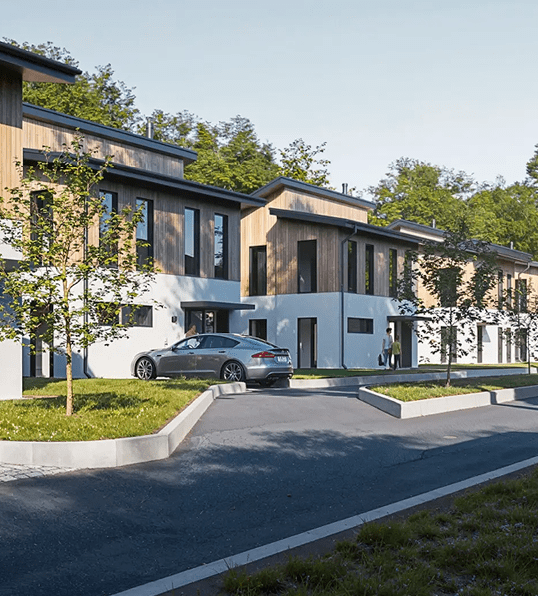
DADU vs. Single-Family Home Value Comparison
A condoized DADU typically sells for less than a comparable standalone single-family home — largely because the DADU buyer gets title to a structure and a shared interest in the land, not full private ownership of the lot underneath it.
Recent NWMLS market data gives a rough sense of the gap: through 2026, the median sale price for “non-traditional condos” in Seattle — the broader NWMLS category that includes DADUs alongside townhomes and other condoized properties — has generally run in the $745,000 to $800,000 range across different months, compared to a King County-wide median of roughly $875,000 for all homes as of May 2026. That’s a real but not dramatic discount, and it reflects a broad category rather than DADUs specifically, so it’s best read as a directional signal rather than a precise number for your property.
Individual examples illustrate the range better than an average can. Builders in the Seattle area have reported condoized DADU sales in the range of roughly $750,000 to just over $1 million, with well-finished units in desirable North Seattle neighborhoods — areas like Ballard, Green Lake, Ravenna, and Queen Anne — tending toward the higher end of that range.
What this means for expectations: don’t assume a DADU will appraise anywhere near what a full single-family home nearby would sell for, but also don’t assume it’s a steep discount either. The gap depends heavily on the specific unit, its finish level, and how the local market is pricing shared-land ownership at the time you sell.
What Does a DADU Actually Sell For in Seattle in 2026?
Based on the data available, condoized DADU sale prices in Seattle in 2026 have generally clustered in the roughly $750,000 to $1,000,000+ range, with well-finished units in strong North Seattle neighborhoods commanding the top of that range and smaller or less accessible units landing closer to the lower end. The broader “non-traditional condo” category tracked by NWMLS — which includes DADUs — showed median sale prices moving between roughly $745,000 and $800,000 across different months in 2026, in a Seattle condo market that’s generally softened somewhat compared to the record highs seen in early 2025.
Two honest caveats are worth repeating here. First, this data isn’t DADU-specific — it’s the closest available proxy, blended with other non-traditional condo property types. Second, the pool of actual condoized DADU sales remains small relative to the broader housing market, since separate DADU sales are still a newer strategy. That combination means these figures are useful for setting general expectations, not for pricing your specific unit.
The reliable next step is the same one we’d recommend before finalizing any sale-based plan: work with a local real estate agent who can pull the most current, neighborhood-specific comparable sales — including any other condoized DADUs that have actually closed near your property — rather than relying on a citywide average.
To compare what you’re likely to net against what the project costs to build and sell, see our guide on the full cost of building a DADU to sell.
FAQ
What determines DADU resale value? Location and nearby comparable sales, unit size and layout, finish quality, privacy and physical separation from the main house, parking and access, the condition of the condo association’s finances and documents, and the age and energy efficiency of the structure.
What’s the average sale price for a backyard cottage in Seattle? Recent data suggests condoized DADUs in Seattle generally sell somewhere in the $750,000 to $1,000,000+ range, with well-finished units in strong North Seattle neighborhoods commanding the higher end. This varies significantly by property and neighborhood.
How does an appraiser value a condoized ADU in Seattle? Appraisers typically blend approaches — comparing against small single-family homes, traditional condo sales, and sometimes recent construction cost data — because there isn’t yet a large, standardized pool of condoized-DADU-only sales to work from directly.
What factors most affect ADU resale value? Location, size and layout, finish quality, and privacy from the main house tend to matter most, alongside practical factors like parking access and the health of the condo association’s finances.
What’s the average DADU sale price in Seattle in 2026? Individual reported sales cluster roughly between $750,000 and just over $1,000,000, while the broader NWMLS “non-traditional condo” category — which includes DADUs along with other property types — has shown median prices in the $745,000 to $800,000 range across different months in 2026.
Does location affect DADU value the same way it affects a house? Yes, in the same general sense — neighborhood desirability, walkability, and schools all matter. But because a DADU buyer holds a shared land interest rather than a private lot, the immediate site context (privacy, sightlines, direct access) carries extra weight compared to a standard single-family sale.
How does DADU value compare to a single-family home? A condoized DADU typically sells for less than a comparable single-family home, reflecting the shared land ownership structure, though the size of that gap varies by property and neighborhood rather than following a fixed discount.